Manual Coffee Grinders

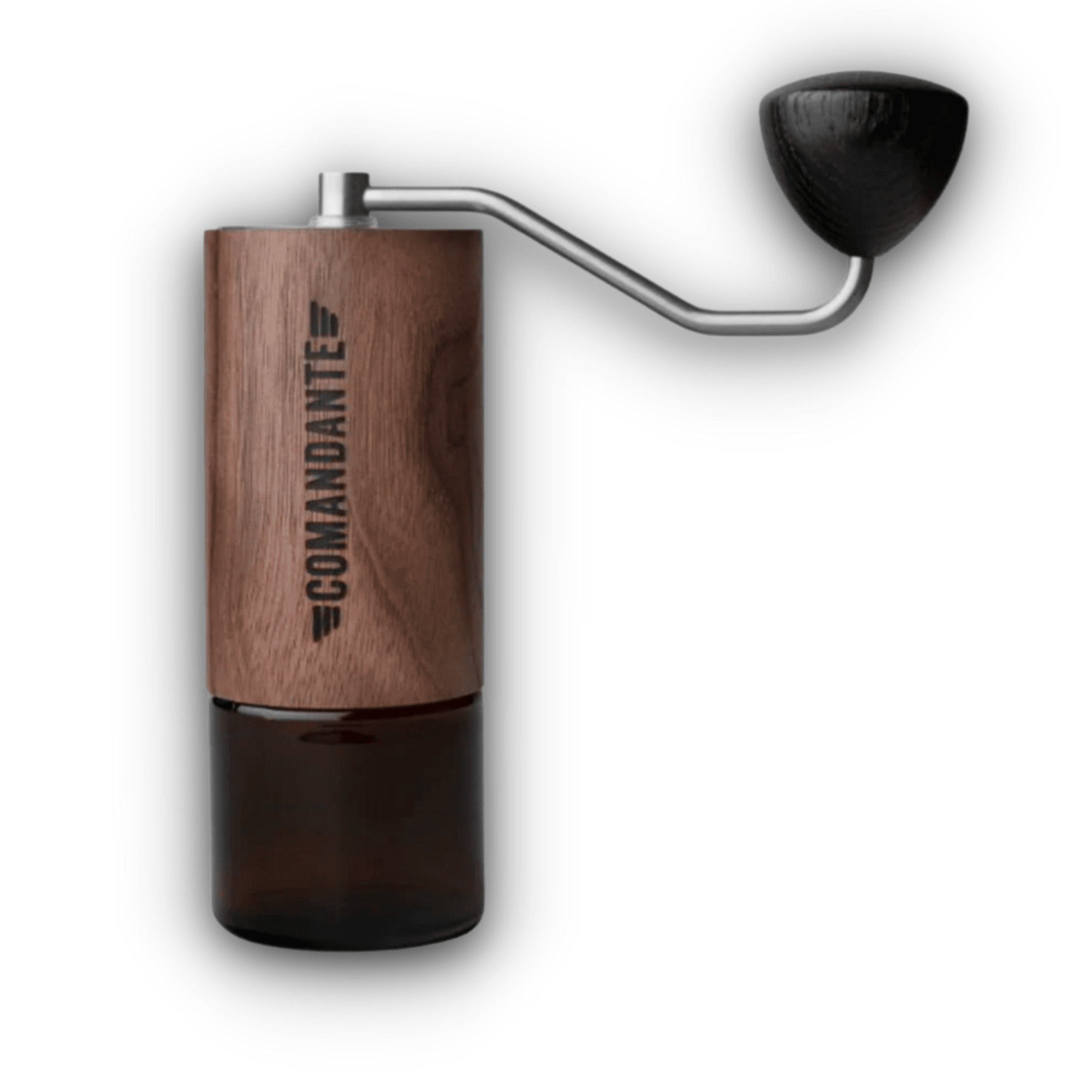
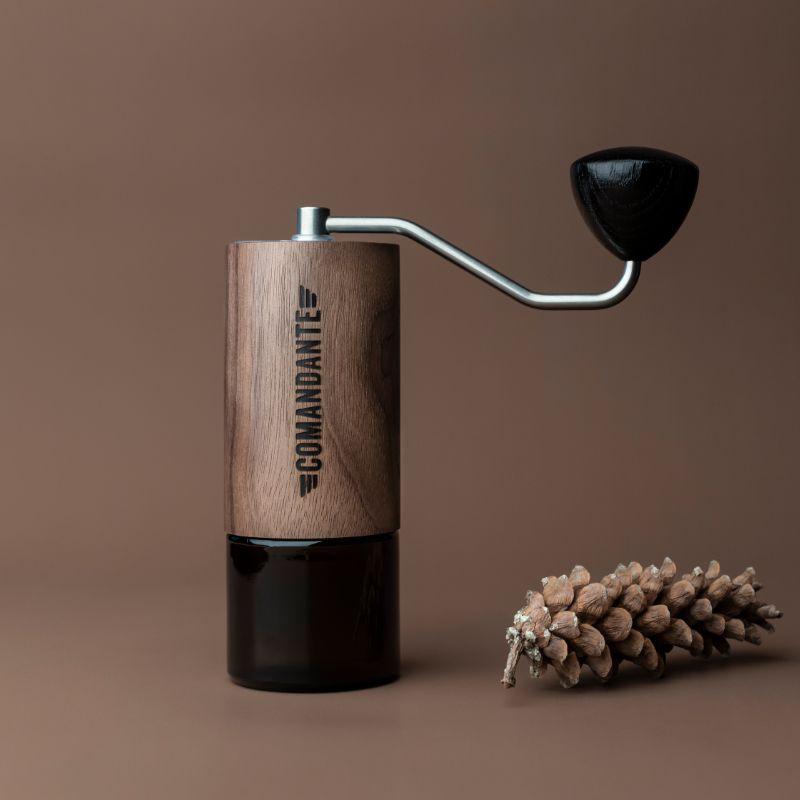
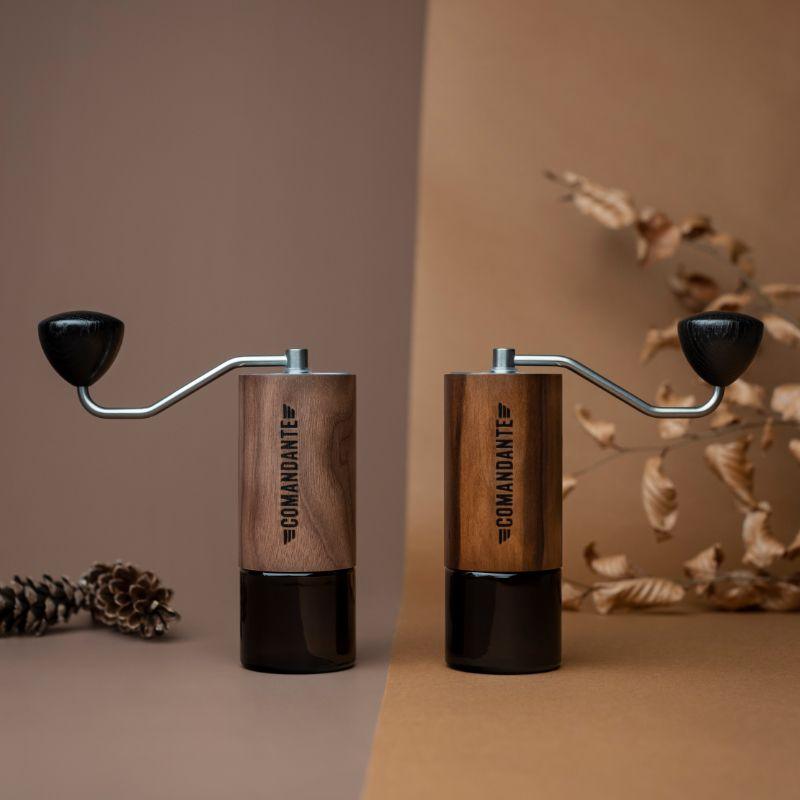
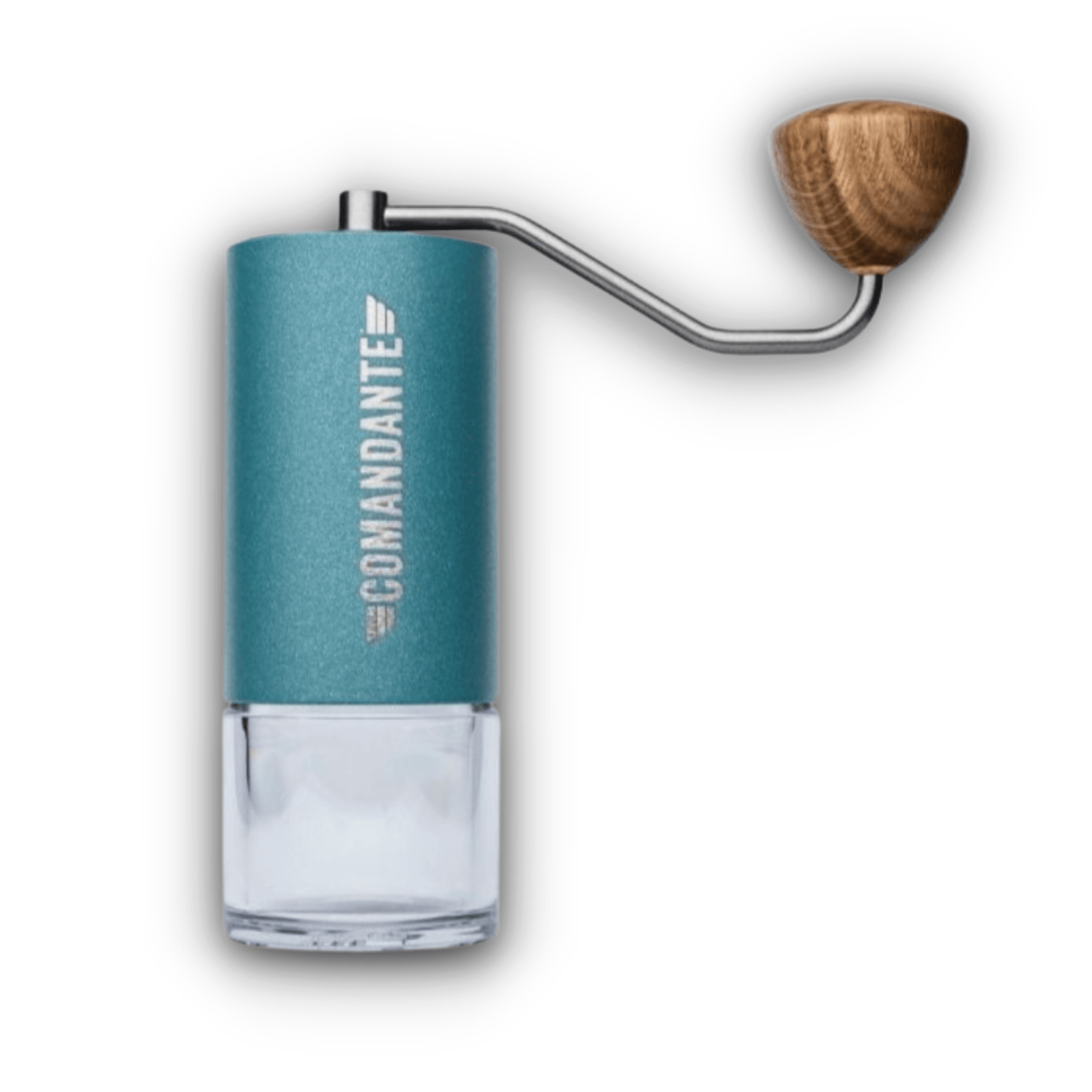
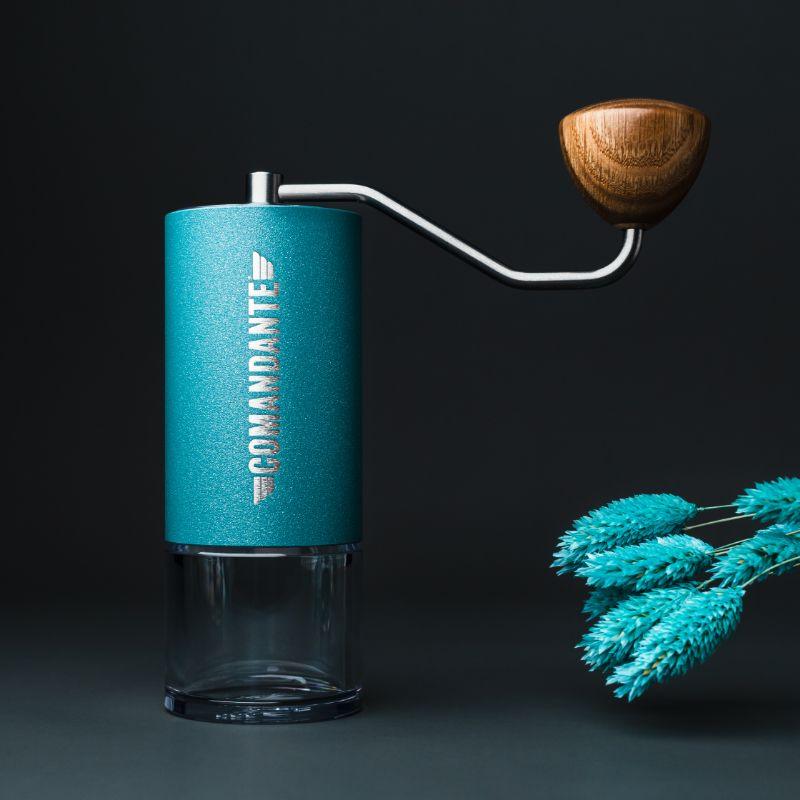
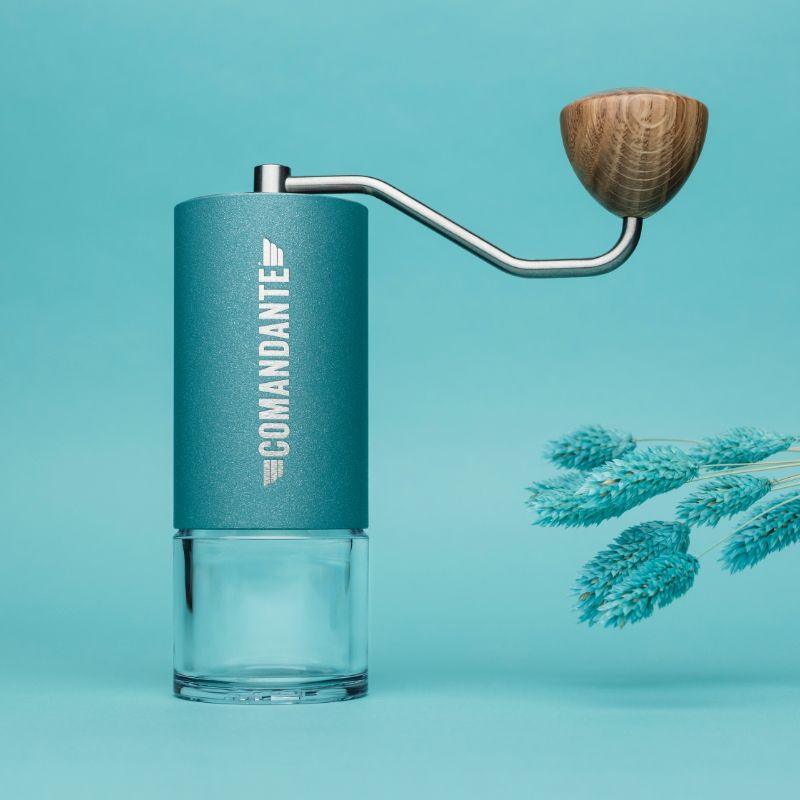
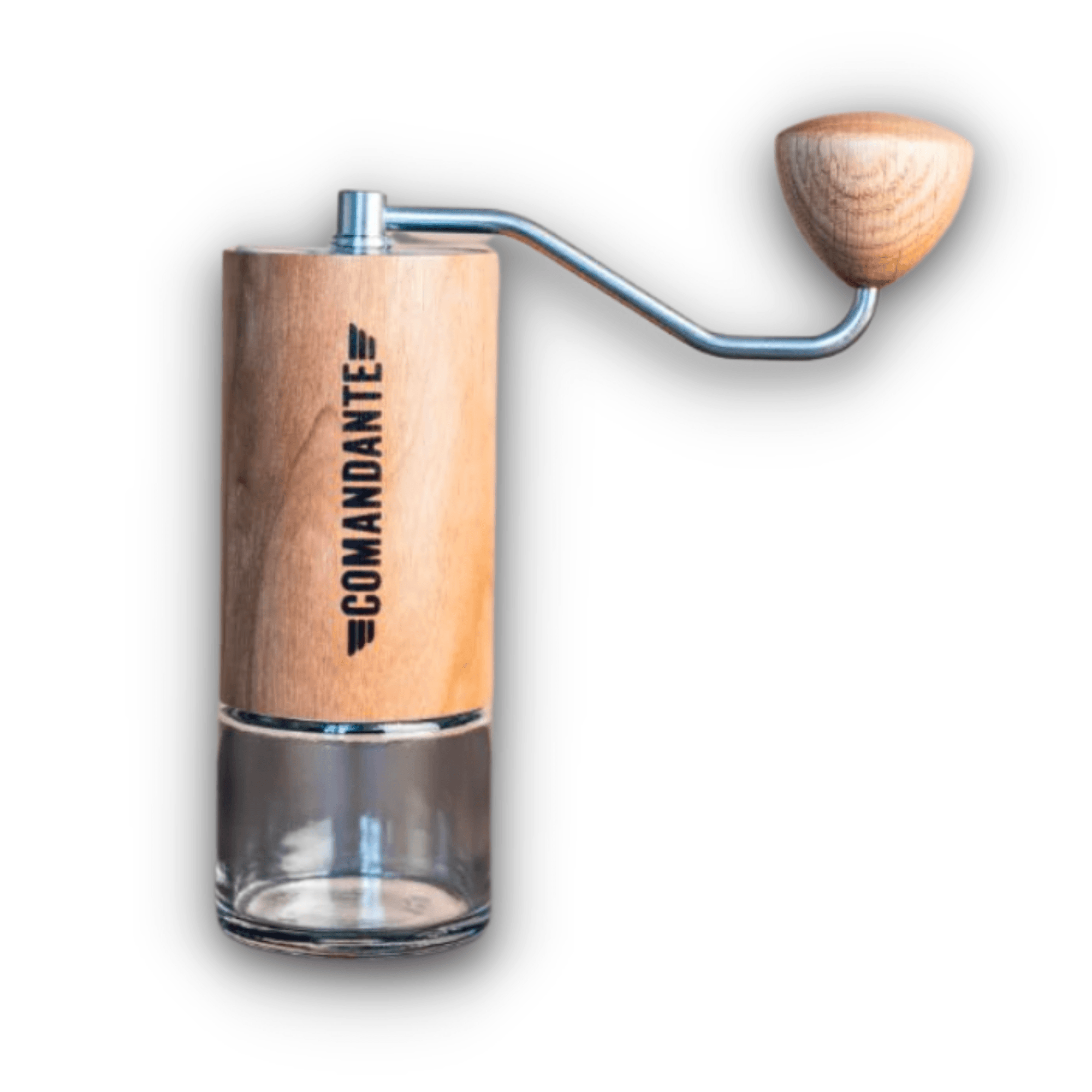
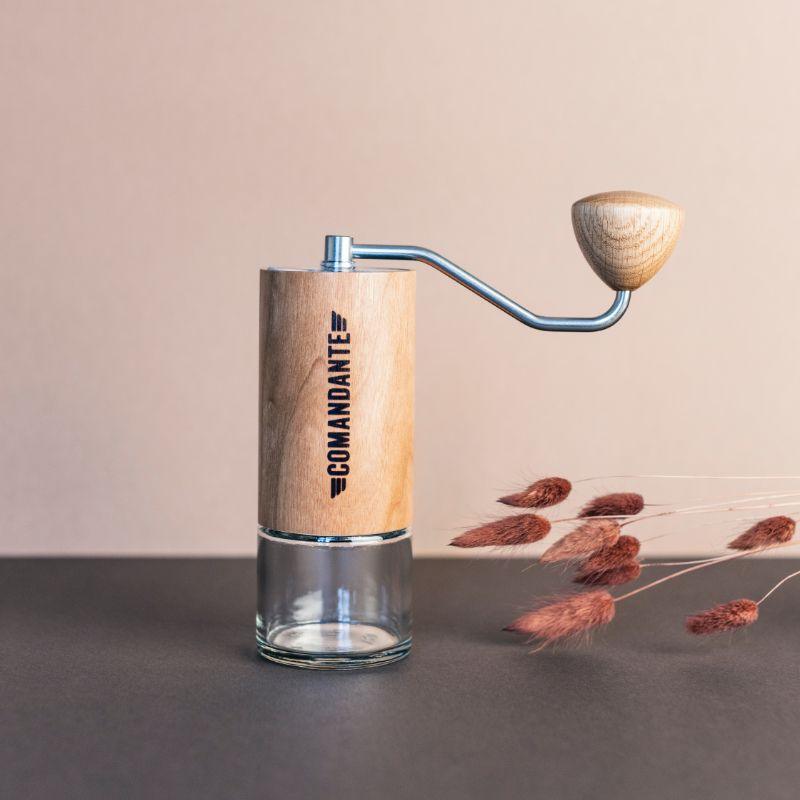
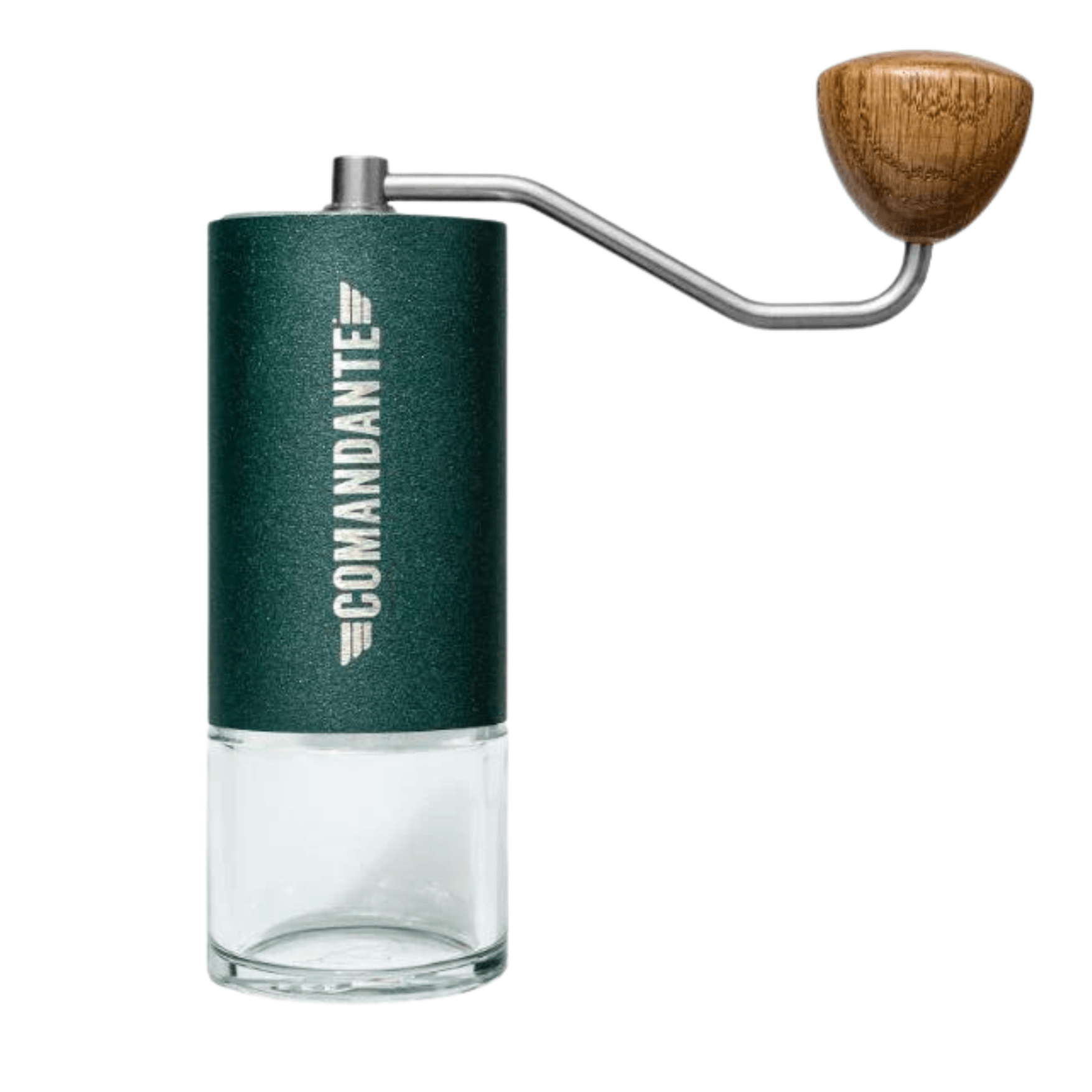
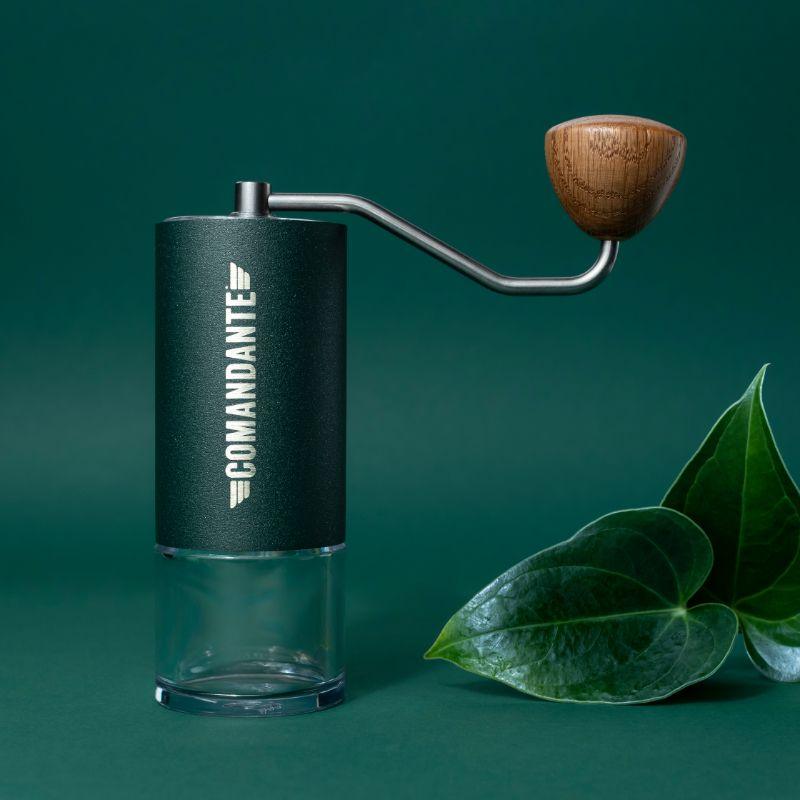
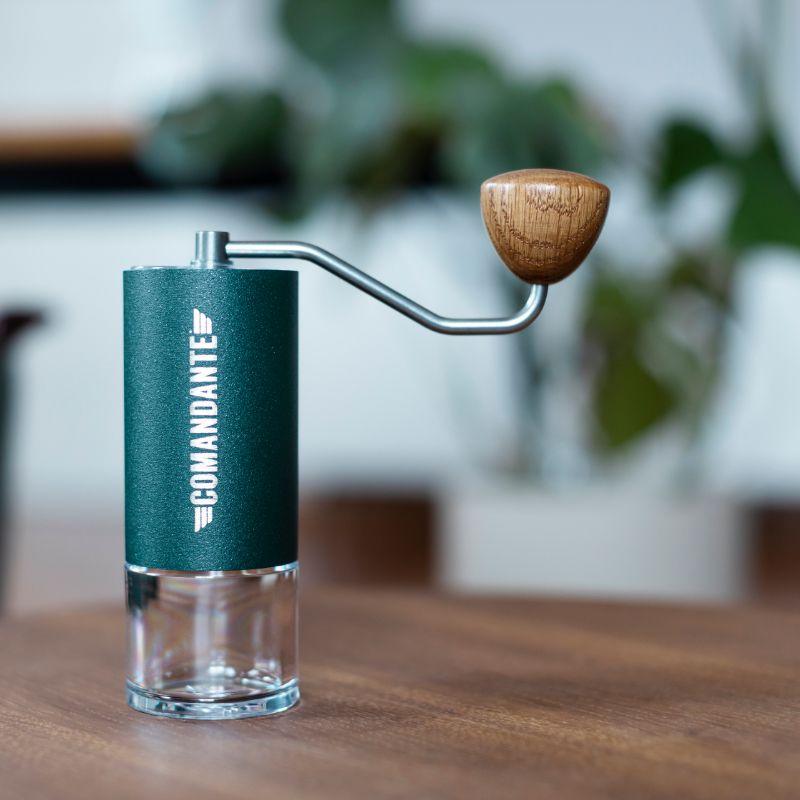
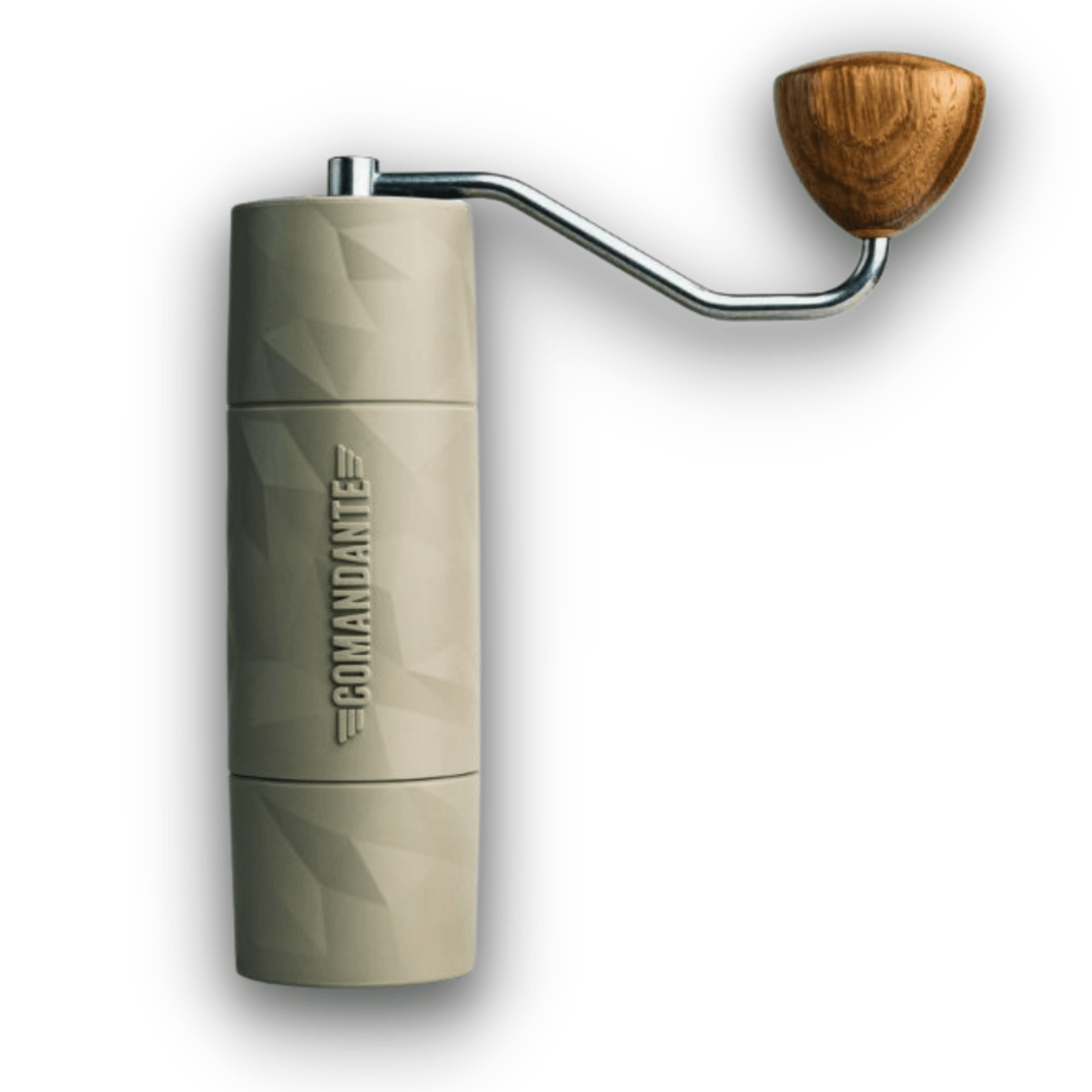
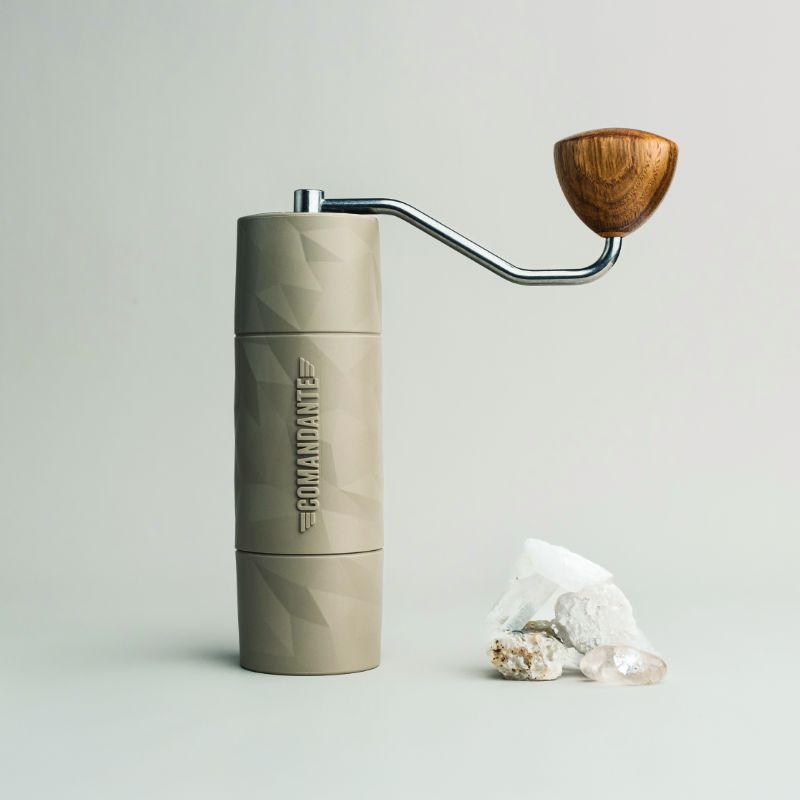
our range of manual coffee grinders gives you complete, hands-on control over your daily brew. Featuring precision burrs designed to cut rather than crush your beans, this gear ensures a clean, crisp, and smooth extraction every time. Whether you're hitting the road or just love the quiet morning ritual, a high-quality hand grinder is a reliable way to unlock the full flavour of your coffee without the noise of an electric motor.
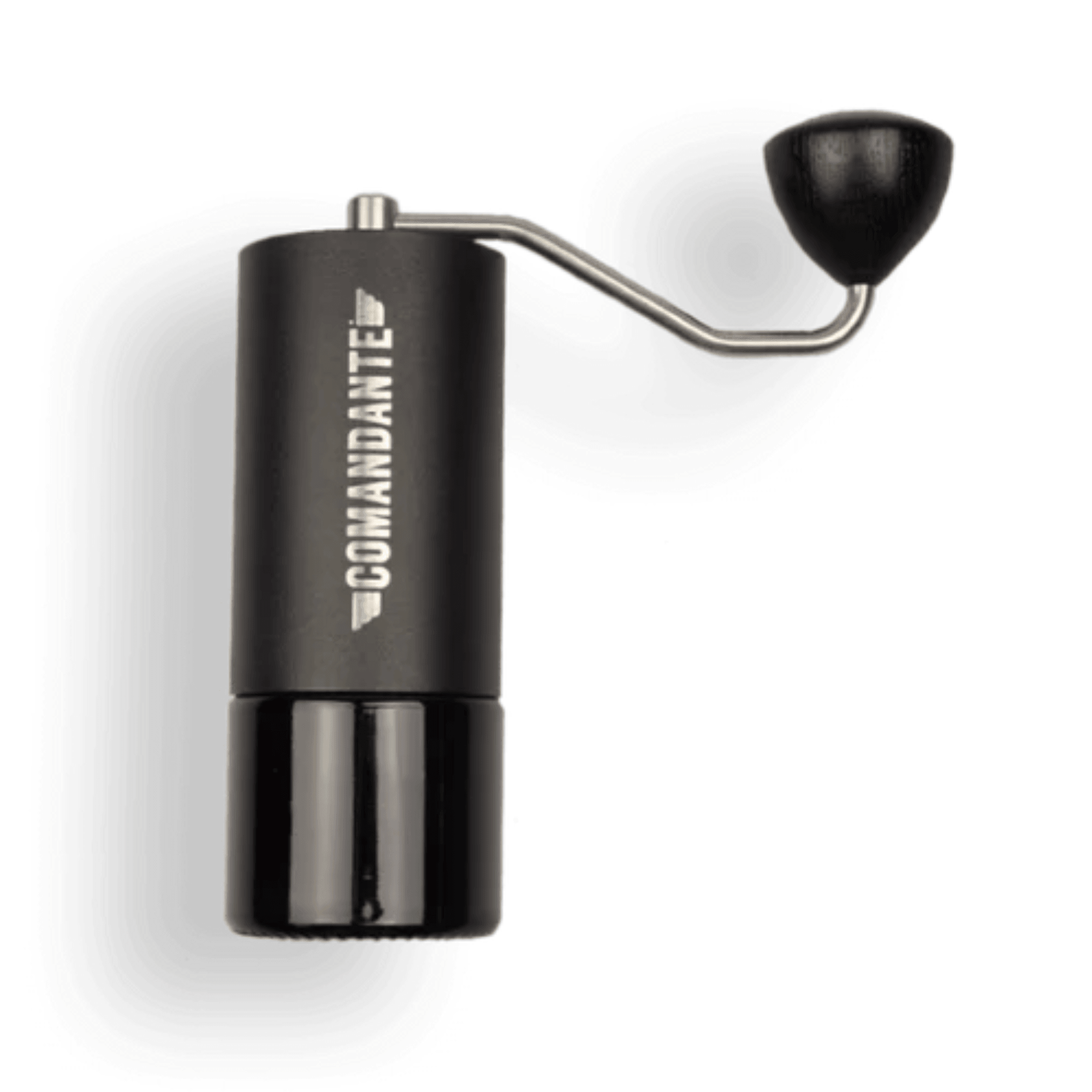
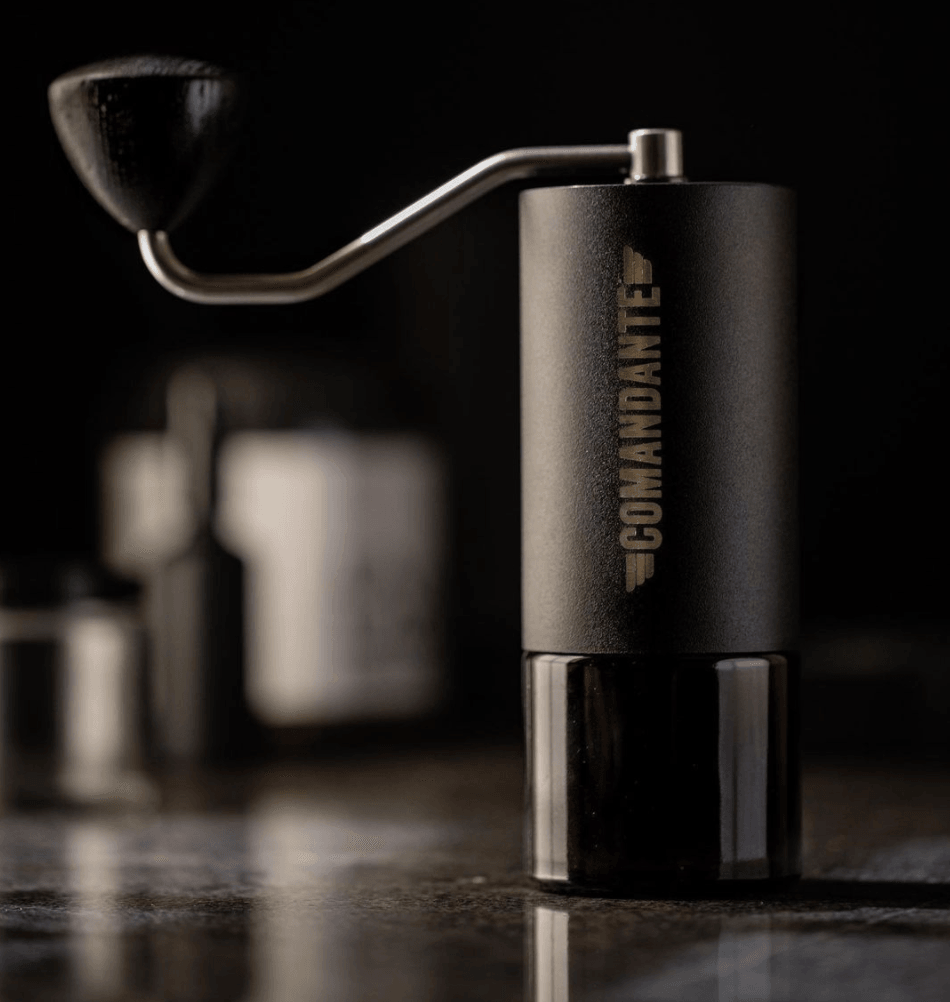
The Mechanics of a Great Manual Grind

Getting a satisfying brew at home comes down to particle uniformity. When coffee beans are ground unevenly, water channels through the path of least resistance. This leads to over-extracting the fine particles (causing bitterness) and under-extracting the larger boulders (causing sourness).

Our manual coffee grinders utilise stabilised central axles and dual-bearing systems to keep the inner burr perfectly aligned with the outer burr. This minimal tolerance dramatically reduces the production of unwanted coffee "fines", allowing you to brew a noticeably cleaner cup.

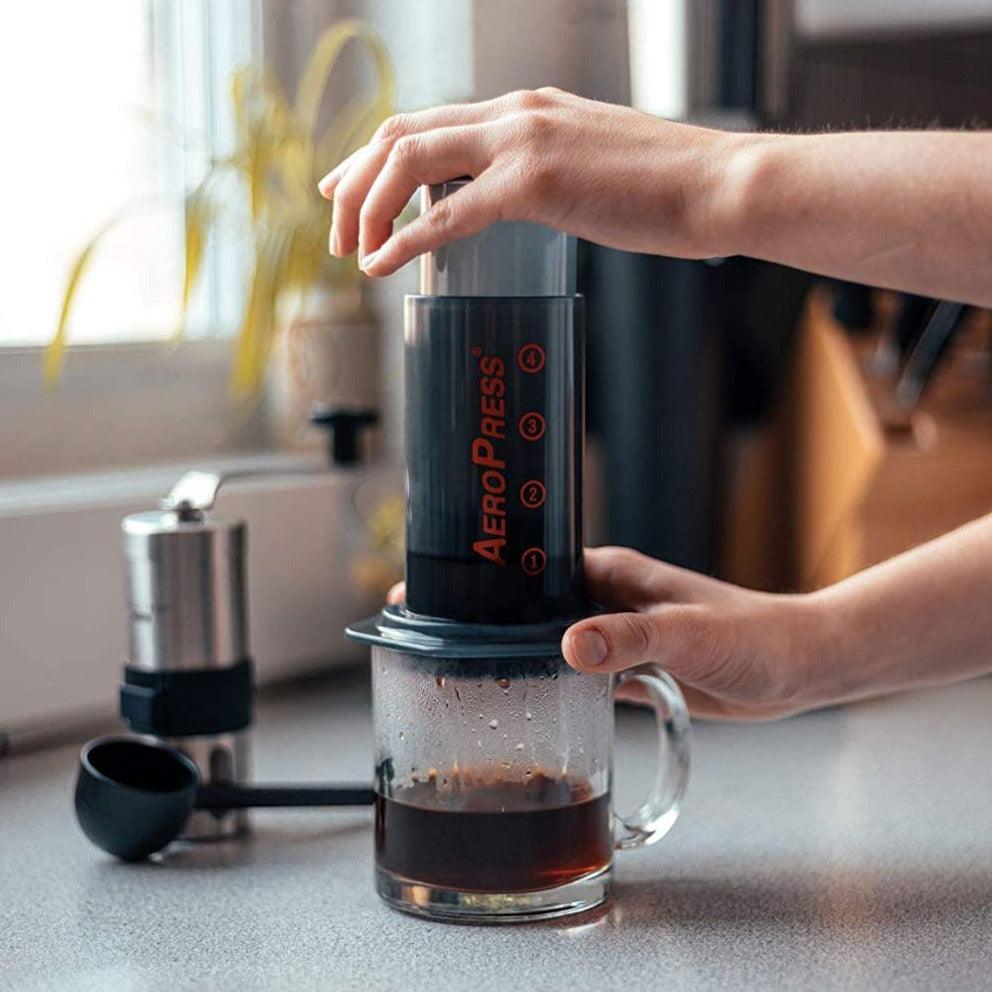
Bruer Filter Papers - AeroPress - Blackboard Coffee Roasters

Why Burr Material Matters

When selecting a hand grinder, the material of the burr dictates the extraction physics and the resulting flavour profile in your cup. We highly recommend stainless steel or titanium-coated burrs for modern specialty coffee. Stainless steel burrs, typically sitting around HRC 55-58 in hardness, use a sharp slicing and shearing action that keeps fines production extremely low (under 10%). This makes them epic for high-clarity brews like a V60, bringing out bright, crisp acidity. If you want maximum durability, titanium-coated burrs bump the hardness up to HRC 60+. They offer that same clean slice and low fines, perfect for dense light roasts or dialling in high-volume espresso. On the flip side, ceramic burrs rely on a crushing and mashing action. This generates a lot more dust (around 15-20% fines), which is generally better suited for traditional dark roasts where you want a heavy, textured body rather than a clean, tasty specialty brew.

Dialling In: Particle Size by Micron (μm)

Different brewing methods require specific levels of water resistance to extract the right compounds. By adjusting the distance between your burrs, you change the micron (μm) size of the coffee grounds:

  • Espresso (Short Black, Flat White): 200μm - 600μm. Fine and powdery to create enough resistance for a 9-bar pressurised extraction.
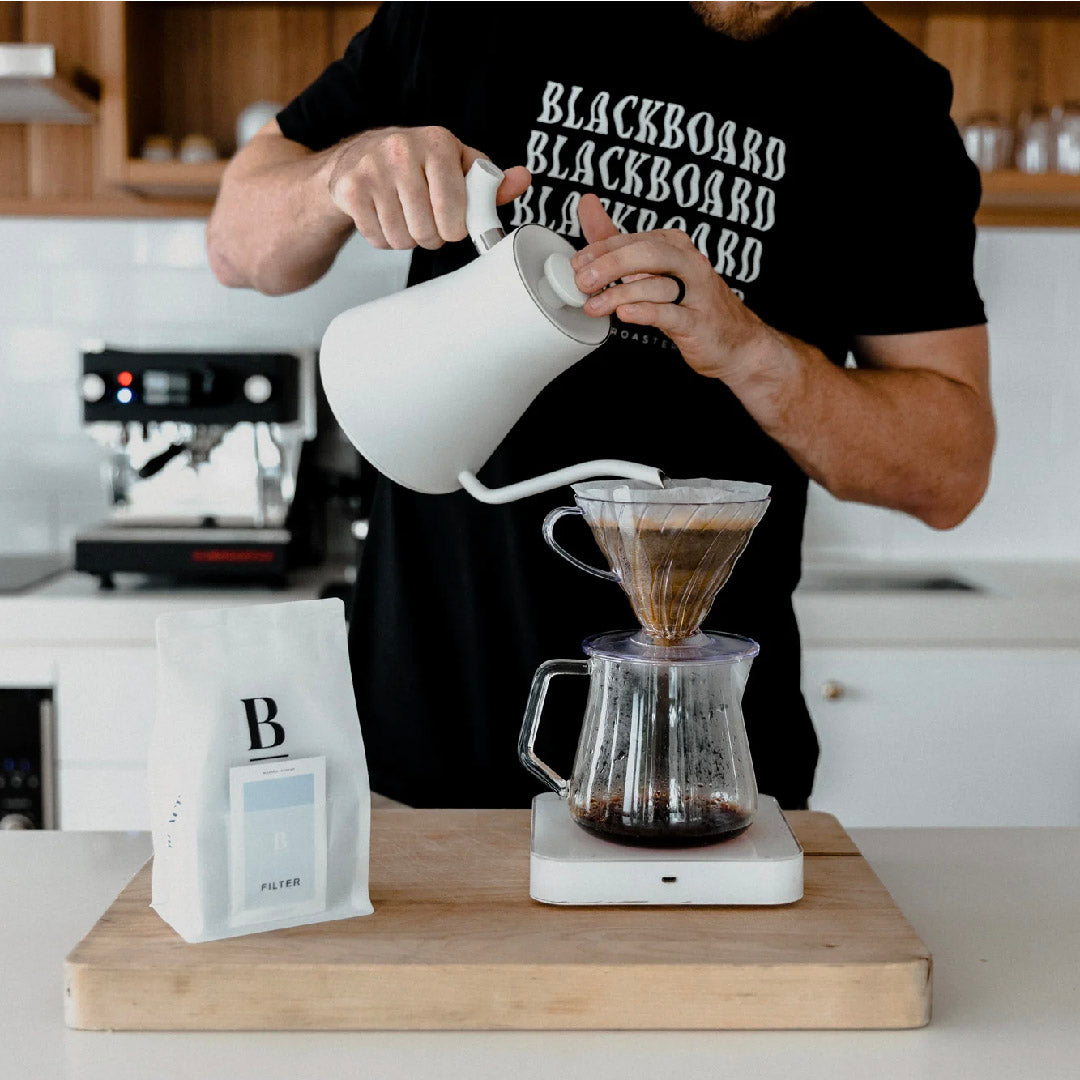
  • Filter & V60 (Pour-over): 700μm – 1200μm. Medium-coarse, resembling sea salt, allowing water to flow evenly through the coffee bed by gravity.
  • Plunger / Cold Brew: 800μm – 1600μm+. Coarse and chunky to prevent over-extraction during long steep times.

Manual Coffee Grinders FAQ

Yes. High-quality manual grinders equipped with stainless steel burrs (typically 38mm to 48mm in diameter) and micro-stepped adjustment dials can easily achieve the 200-600 micron range required for espresso. These precision adjustments allow you to accurately control extraction time and pressure.

For a standard 20g dose of coffee, grinding takes approximately 30 to 45 seconds for a medium filter grind. If you are grinding fine for espresso, it will take roughly 60 to 90 seconds, depending on the bean density and the specific geometry of the grinder's burrs.

To clean your grinder, fully disassemble the burr set and use a dry, soft-bristled brush or a simple air blower to clear out old coffee grounds and chaff. Never wash steel burrs with water, as moisture can cause them to rust and ruin their cutting edge.