One farm. One harvest. Five expressions.
The Sensory Collection is an ongoing series of curated tasting experiences created to bring you closer to coffee through comparison. Each edition explores a place, producer, harvest or idea through a group of connected coffees, allowing you to discover differences that a single cup may not reveal.
The purpose is simple: to make coffee knowledge tangible. Rather than only reading about origin, processing and the relationships behind each coffee, you can experience their influence through aroma, flavours, acidity, mouthfeel, sweetness, and finish.
Every collection will tell a different story. The first collection begins in Kenya, with five expressions from one harvest at Ngacha Coffee Estate.
Why Kenya?
Kenya has built an extraordinary coffee identity. Its classic washed coffees are recognised for their clarity, vibrant acidity and distinctive fruit character. That profile remains an important reference, but it is not the only story Kenyan coffee can tell.

Today, a growing number of Kenyan producers are widening that language. They are exploring fermentation, fruit contact and drying in ways that can create new sensory experiences while protecting the qualities of place. When this work is done with care, innovation does not replace origin; it gives us another way to understand it.
This balance between tradition and possibility made Kenya the natural place to begin The Sensory Collection.
Ngacha Coffee Estate
Ngacha Coffee Estate is a family farm in Kirinyaga, where SL28 and SL34 grow in red volcanic soil at approximately 1,675 metres above sea level. The farm's story began in 1958, when Martin Muriuki's father planted nine coffee bushes under colonial restriction. What began as a quiet act of determination became a family legacy. Today, Martin carries it forward with discipline, curiosity and a deep respect for the land.

My work with Ngacha began in 2022 through after Tess, Kenya's 2022 and 2023 national barista champion, introduced Martin and me on a video call. I shared processing methods recipes for 14 lots, ranging from Kenya's classic washed to honey, naturals... Martin brought those plans to life at the farm, and we studied the results through samples, cuppings and honest feedback.
Over the next four years, that first experiment became a continuous exchange. Each harvest gave us something new to observe, refine and carry forward. The goal remained consistent: to explore the farm's potential without covering the character that makes its coffee distinctly Kenyan.

At the 2026 Taste of Harvest competition in Kenya, this steady work received recognition. Ngacha was named Winner in the Honey Arabica Category and 1st Runner Up in the Experimental Arabica Category. The awards are a proud milestone, but their deeper value lies in the progress behind them: careful execution, shared learning and the confidence to keep exploring.
One Starting Point, Five Directions

The collection holds its starting point constant: one farm, one harvest and the same SL28 and SL34 varieties, all roasted with one shared philosophy.
That common starting point is important. When the farm, harvest and varieties remain consistent, processing becomes easier to recognise in the cup. Each lot follows a different path through preparation, fermentation and drying, creating five individual expressions without losing their connection to place.
The collection moves from the familiar language of washed Kenyan coffee into yellow honey, hybrid washed, competition series red honey and anaerobic natural approaches. These methods were selected with purpose. Each one explores a different balance of clarity, sweetness, fruit, texture and structure.
This is not a search for the "best" process. It is an invitation to notice what changes, what remains and which expression speaks most clearly to you.
Created at the Farm

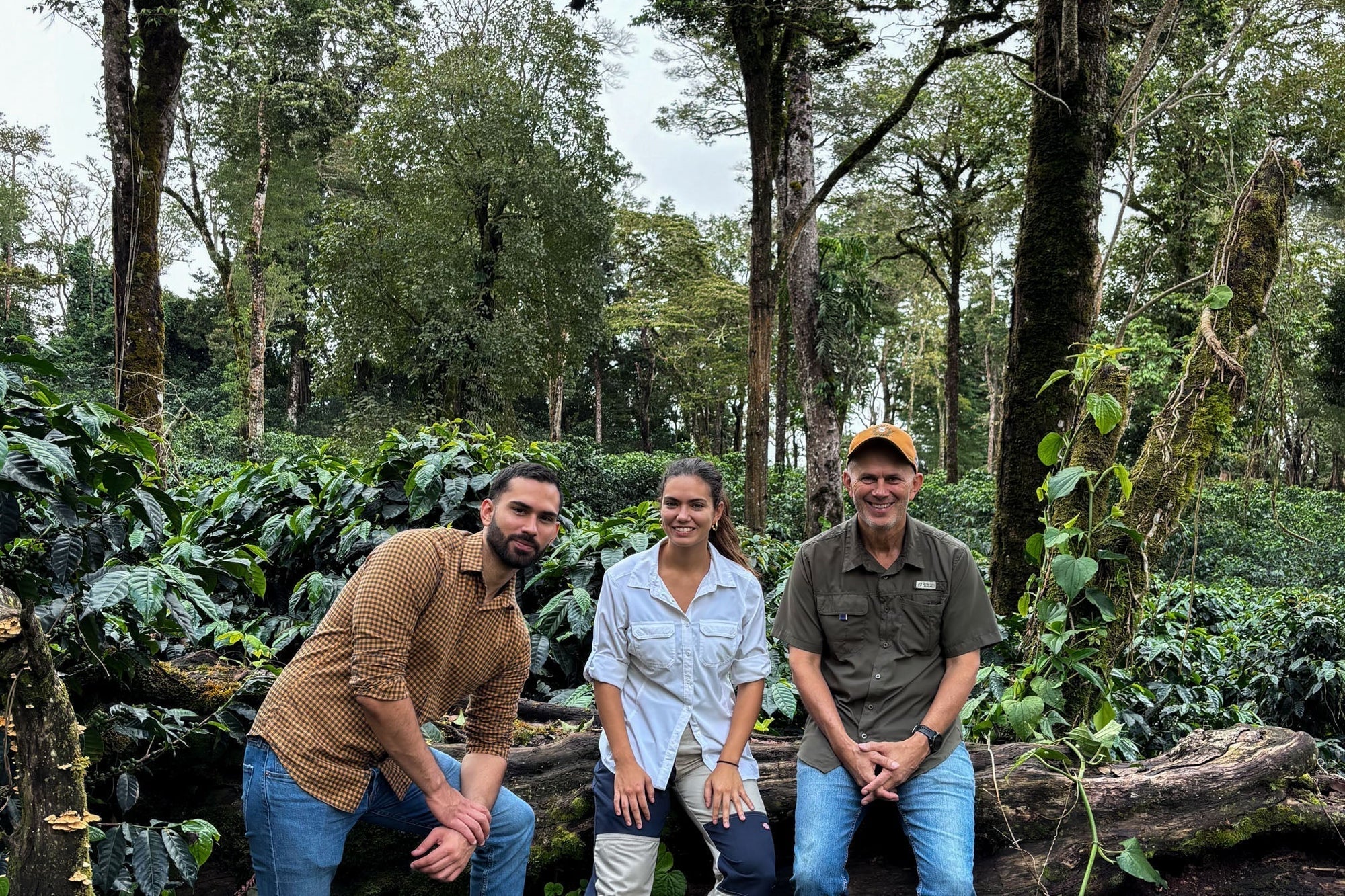
The idea for this collection took shape during Danny’s visit to Ngacha. Working beside Martin moved our exchange from process plans and cupping notes into decisions made with the fruit, equipment and drying conditions in front of us.
We worked from the fruit in front of us. We considered ripeness, preparation, fermentation and the drying conditions available for each lot. From there, we planned five processes that could offer a meaningful comparison while remaining true to the harvest.

The work was detailed and practical. Cherries were selected and sorted before each lot began its own path. Fermentation was monitored closely, but the process did not end there. During drying, the coffees were moved, checked and protected as their moisture reduced. These quiet decisions helped preserve clarity and sweetness while defining texture, balance and finish.
This is where the Kenya Sensory Collection was born: not as a selection of unrelated coffees, but as one connected experience designed at origin.
How to Experience the Collection

You can enjoy each coffee individually, but the story becomes clearer when the five are compared.
Begin with the recommended recipe for each coffee. The recipes have been developed to support the character of each lot rather than forcing every expression into the same brewing approach. Taste each coffee while it is hot, then return to it as it cools. Aromatics may open, acidity may become more defined and sweetness or texture may change.
As you taste, consider:
- How does the aroma change from one coffee to the next?
- Where do you notice the greatest sweetness or clarity?
- How does the acidity feel: bright, soft, juicy or structured?
- What changes in texture and weight?
-
Which flavours remain through the finish?
There are no correct preferences. The value of comparison is learning what you notice and understanding more clearly what you enjoy.
The First Collection
The Kenya edition is the beginning of The Sensory Collection. It brings together one origin, one harvest, two varieties and five intentional expressions so you can experience the influence of processing for yourself.
It also captures a moment of possibility. Kenyan coffee can continue to honour the qualities that built its reputation while giving producers room to explore, refine and create new expressions of their farms.
Open the coffees, follow their individual recipes and taste them side by side. The journey continues through every cup. The next discovery belongs to you.