
Introduction
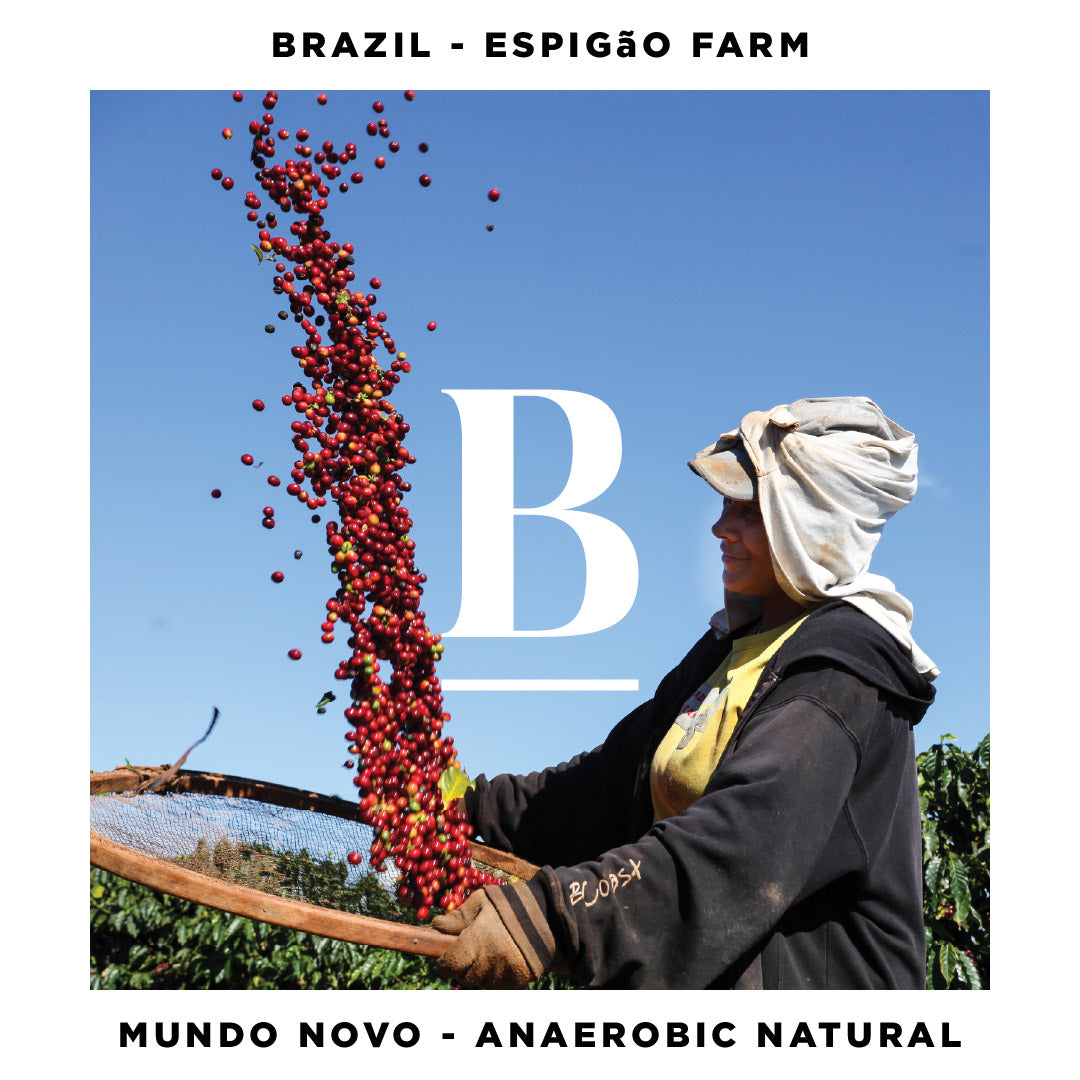
Meet the latest in our Roaster's Pick Espresso range; Brazil Espigão Farm | Mundo Novo Anaerobic Natural, an espresso that carries four generations of passion in every sip. Grown by Gil Cesar de Melo in the Cerrado Mineiro highlands, this anaerobic natural-processed Mundo Novo boasts bold chocolate depth, dried fruit sweetness, and a velvety body. From ox-cart beginnings to modern innovation, it’s a testament to family legacy and Brazil’s evolving coffee craft.
| Farm |
Espigão do Palmital |
|---|---|
| Process | Anaerobic Natural |
| Variety |
Mundo Novo |
| Elevation |
1,000 – 1,200 MASL |
| Region |
Embu |
| Country | Brazil |

How’s It Taste?
This espresso is a rich, full-bodied experience. Dark chocolate and caramelised hazelnut anchor the cup, layered with hints of dried fig and a subtle tropical fruit finish. The anaerobic process amplifies Mundo Novo’s natural sweetness, while a low acidity and creamy mouthfeel make it ideal for espresso purists and milk-based drinks alike.

How To Brew?

Recipe
|
Weight |
Yield |
Extraction Time |
Ratio |
|
20.5g |
42g |
26 - 31 seconds |
1 : 2.05 |
To experience the full depth of this coffee, we recommend trying these brewing methods:
Each brewing method will highlight different flavours, aromas and textures from the coffee but all of them will result in a satisfying cup.
For more brewing tips, visit our Brewing Guide.

Who’s Behind This Coffee?
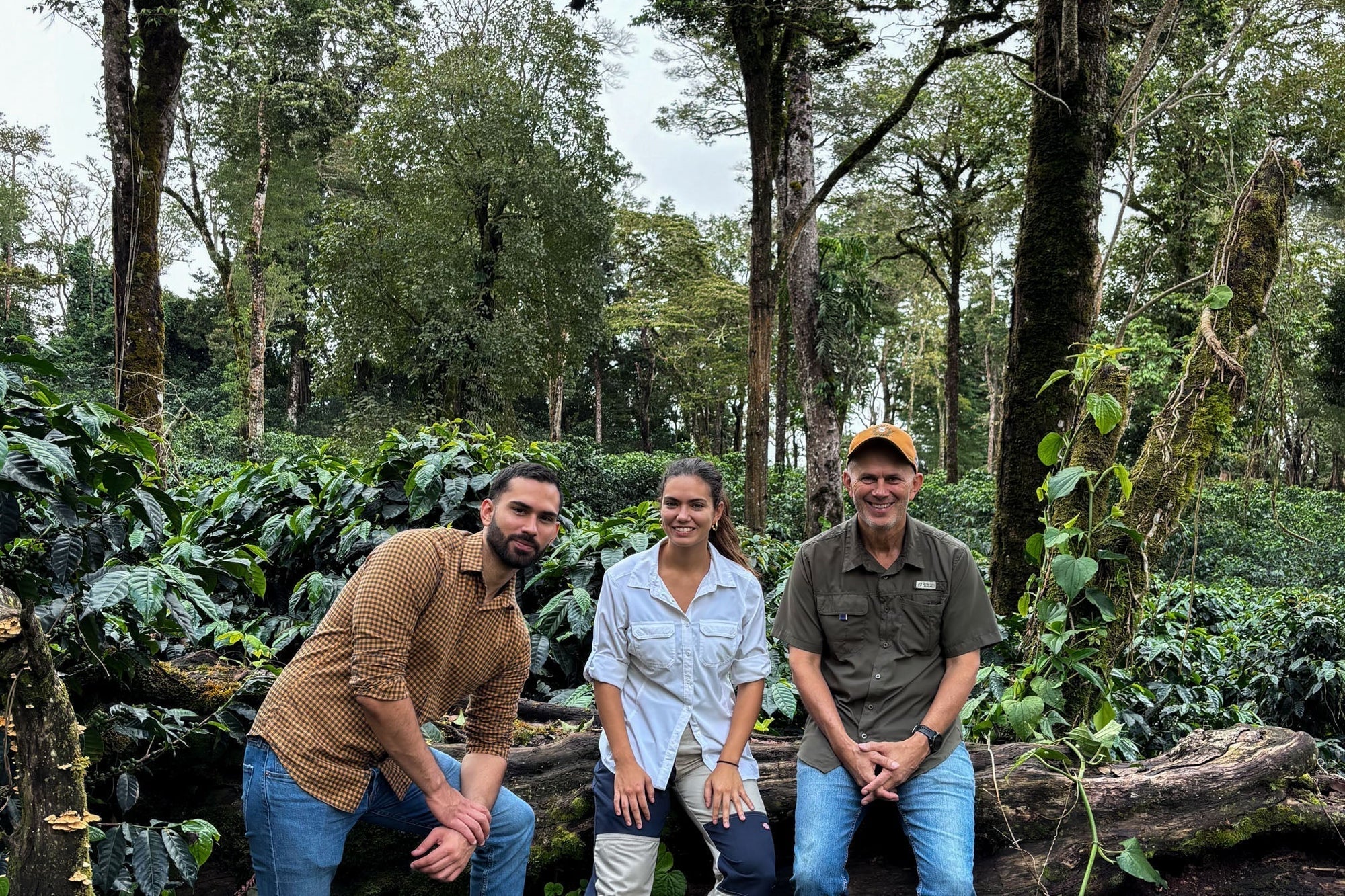
Gil Cesar de Melo’s coffee roots trace back to his grandfather, Miguel Constante, who farmed with ox-carts in 1940s Campos Altos. Gil’s mother, Elizena, inherited the land, passing it to him in 1995. Starting with six hectares, Gil expanded Espigão Farm into a specialty benchmark while preserving forests and empowering workers to prioritise sustainability.
Now, his sons Edu and Hugo bring tech-savvy innovation: introducing soil sensors and data-driven harvest timing. Yet tradition remains, Gil still walks the fields daily, recalling childhood days when coffee was hauled by oxen.


The Process
-
Harvest: Selective picking during peak ripeness, followed by floatation to remove defects.
-
Anaerobic Fermentation: Cherries ferment in sealed stainless steel tanks for 72 hours, trapping CO₂ to intensify fruit sugars.
-
Drying: Spread on raised beds for 25–30 days, turned hourly to avoid over-fermentation. Cerrado’s dry winters ensure even drying without mold risk.
-
Resting: Beans rest in parchment for 60 days, stabilizing flavors before hulling and sorting.
The Mundo Novo varietal, a Brazilian hybrid of Bourbon and Typica, thrives here. Its disease resistance and bold body pair perfectly with anaerobic processing, creating a cup that’s unapologetically rich yet nuanced.


The Region
Cerrado Mineiro, a plateau in Minas Gerais, offers a climate rare in Brazil: distinct wet summers and dry winters. The region’s 1,000–1,200 MASL altitudes, iron-rich soil, and mountainous terrain stress cherries just enough to concentrate sugars. Once considered too arid for coffee, Cerrado now rivals São Paulo and Sul de Minas in quality, thanks to pioneers like Gil who embraced irrigation and shade management.


Brazil Espigão Farm | Mundo Novo Anaerobic Natural bridges heritage and progress. Whether pulled as a solo shot or blended into a latte, it’s a tribute to family, land, and the quiet revolution in Brazilian coffee.
For those interested in establishing a wholesale coffee partnership, head to our wholesale page and fill out the contact form. If you're a venue looking to purchase casually or feature us as a guest roaster, visit Ordermentum to connect and view our price list.